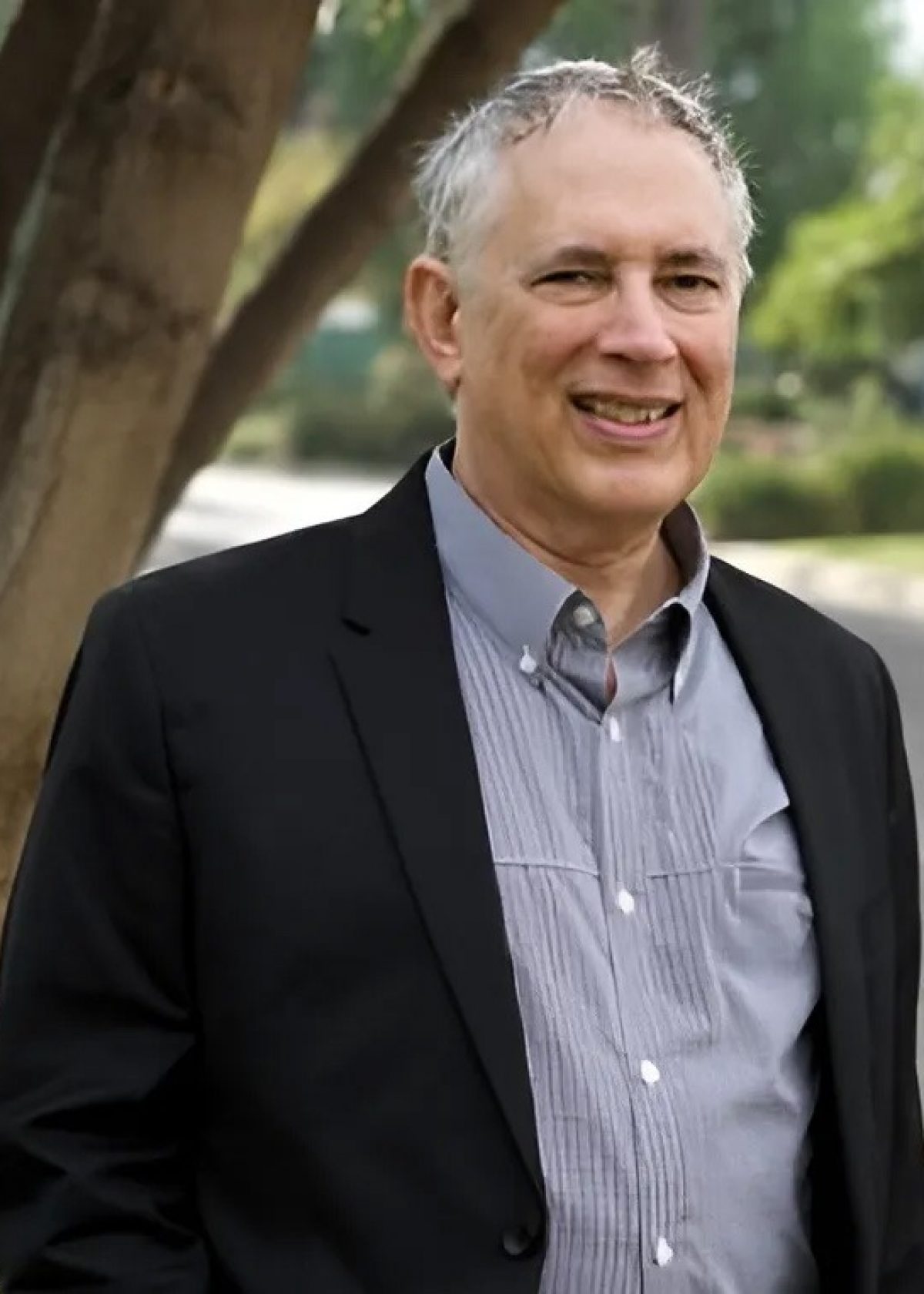
Richard M. Seff has practiced elder law and estate planning in Woodland Hills since 1990. This is what more than three decades in this practice has taught him about protecting what you’ve built.
A family calls after a parent’s stroke. Or after a physician recommends skilled nursing care. Or after a hospital social worker mentions Medi-Cal for the first time. They want to know what they can do to protect the house, the savings, the assets their parents spent a lifetime building.
Most of the time, my answer is: we can still do something — but we could have done a great deal more six months ago.
That’s not a disclaimer. It’s the single most important thing I can tell you about asset protection planning in California. The strategies that work best are governed by timing. Once a crisis begins, certain options close.
California’s Medi-Cal program imposes a 30-month lookback period on certain asset transfers. That clock doesn’t start when you call an attorney. It starts when the transfer happens — which means the best planning happens before there’s any urgency at all.
California’s Medi-Cal program imposes a 30-month lookback period on certain asset transfers. That clock doesn’t start when you call an attorney. It starts when the transfer happens — which means the best planning happens before there’s any urgency at all.
Before I went to law school, I spent years as a social worker and then as a hospital administrator. I’ve sat on both sides of the healthcare system — as someone helping families navigate crises, and as someone running the institutions where those crises unfold.
When I graduated from Southwestern University School of Law in 1990 and joined an estate planning firm, I already understood something many attorneys learn much later: the legal documents are only as good as the planning behind them.
I learned that lesson personally. During law school, my grandfather passed away. He had an estate plan — prepared by an attorney, signed, filed. But because assets had never been transferred into the trust, the family went through a lengthy, expensive probate anyway. The documents existed. The plan had failed.
That experience is why I do this work the way I do it.

Long-term care costs in the Woodland Hills and West Hills area are not hypothetical. Skilled nursing facilities in Los Angeles County routinely run between $10,000 and $14,000 per month. A two-year stay — entirely common for someone with dementia or the aftermath of a serious stroke — can consume $250,000 or more of a family’s accumulated assets.
For most of the families I work with, that money was supposed to support a surviving spouse. Or eventually pass to their children. Without a plan, it disappears into the cost of care before any of that can happen.
And California’s Prop 19 adds another layer of complexity for homeowners. Without careful planning, a home intended to pass to children can trigger a significant property tax reassessment — one that makes keeping the property financially impractical.
It isn’t aggressive transfers or last-minute asset shuffling. Those approaches don’t hold up under California’s rules, and they can create tax and legal problems that outlast the original issue. What works is a coordinated strategy built early — one that looks at how your home is titled, how your trust is structured, whether your estate plan and your Medi-Cal positioning are working together or against each other, and whether any of that needs to change given California’s current law.

Founder, The Estate Planning & Elder Law Firm
That last point matters more than most families realize. California’s legal landscape has shifted significantly in recent years — Prop 19, changes to Medi-Cal recovery rules, updates to trust administration requirements. A plan drafted ten years ago may have serious gaps today.
A clear assessment of your current exposure — how your assets and property are titled, what’s protected under California law, and where the gaps are.
A timing analysis. Which strategies are still available to you, and which windows are narrowing. Most families have never had this conversation. It’s often the most valuable hour we spend together.
A coordinated plan — not just a trust document, not just a Medi-Cal strategy, but a structure where your estate plan, property titling, and long-term care positioning all reinforce each other.
Precise implementation. In California, the difference between a plan that works and one that doesn’t often comes down to how documents are drafted and how accounts and property are actually titled. I’ve seen what happens when that step is skipped.
An ongoing relationship. Laws change. Families change. A plan that isn’t revisited becomes a liability. I still work with clients I first met thirty years ago.
Most of my asset protection clients are homeowners in Woodland Hills, Calabasas, Tarzana, Encino, or the broader West Valley — within five to ten years of retirement, or already there. They own a home. They have savings they’ve worked hard to accumulate. And they’ve never had a serious conversation about what happens to those assets if they or their spouse need long-term care.
They’re not looking to be handed a stack of documents they don’t understand. They want plain-English explanations, a clear picture of their options, and an attorney who will still be reachable when something changes. That’s how I’ve built this practice, and it’s why many of my clients have referred their friends and siblings.

A first conversation costs you nothing but time. In most cases, you’ll leave with a clear picture of your current exposure, what options are still available to you, and what the right next step looks like — with no obligation to proceed.