For more than 35 years, The Estate Planning & Elder Law Firm has helped families in Woodland Hills, Calabasas, Tarzana, Encino, and the broader West Valley build estate plans that actually work — not just documents that look right on paper, but plans that hold up when a family needs them most.
Estate planning is the process of deciding — in advance, in writing, and with legal authority — what happens to your assets, your healthcare, and your family if you become incapacitated or when you die. Done properly, it gives you control over decisions that California law would otherwise make for you, your family, or a court.
For most West Valley families, a complete estate plan does five things: it transfers your assets to the right people without court involvement, it protects your family during a period of incapacity, it ensures your healthcare wishes are honored, it reduces or eliminates the costs and delays of probate, and it addresses the specific planning challenges — long-term care costs, property taxes, retirement accounts, disabled loved ones — that a standard plan alone doesn’t cover.
The most important lesson I’ve learned from 35 years in this practice: the best estate plan in the world fails if it isn’t implemented. A trust that was never funded — never used to retitle assets — provides no protection. I know this personally. My grandfather had a properly drafted trust. His estate went through probate anyway, because the assets were never transferred into it. That experience is why every plan I build is fully implemented before I consider the engagement complete.
Estate planning is not a one-time event. It is an ongoing process that must evolve as California law changes, as your family changes, and as your assets change. A plan drafted ten years ago may have serious gaps today — particularly given California’s significant legal changes in recent years, including Proposition 19 and updates to Medi-Cal recovery rules.
California has default rules for everything an estate plan addresses. For families without a plan, those defaults apply — regardless of what the family would have wanted.
Any estate with gross assets over $184,500, including real property at full market value before deducting the mortgage, is subject to California probate. A $1 million home triggers roughly $46,000 in combined statutory fees, and the process commonly takes 12 to 24 months. All filings are public record.
Without a durable power of attorney and healthcare directive, a family may need to petition the court for a conservatorship to manage an incapacitated person’s affairs — a costly and time-consuming process that could have been avoided.
Parents of minor children who die without a Kids Protection Plan have no legally binding first-responder designation. Children may be taken into state custody while authorities locate a family member — even if a trusted friend lives minutes away.
Families with significant real estate who haven’t planned for California’s 2021 property tax law may inadvertently trigger a full reassessment when property passes to their children, permanently increasing the annual tax burden.
Without a Medi-Cal plan in place before a crisis, families facing nursing home costs of $10,000 to $14,000 per month may have no options left to protect assets. The 30-month lookback period means the planning window closes long before most families realize it has.
Estate planning for West Valley families encompasses a wide range of specific situations and strategies. Each area below links to its own dedicated section of this site — built around real client situations and California-specific law.
Wills, revocable living trusts, powers of attorney, healthcare directives, and the funding process that makes a trust actually work. Includes the Kids Protection Plan for parents of young children.
LLCs and irrevocable trusts for asset protection, Special Needs Trusts, IRA Inheritance Trusts, Personal Asset Trust™ provisions, and strategies for families with more complex planning needs.
Separating business and rental property risk from personal wealth using LLCs and irrevocable trusts. Planning must be done before creditor problems arise — California does not protect last-minute transfers.
California’s 2021 property tax law changed the rules on parent-child property transfers. Families with decades of West Valley real estate appreciation need a plan that reflects the new reality.
Protecting assets from long-term care spend-down for families facing nursing home costs. The earlier planning begins, the more options are available. Crisis planning is also possible — but options narrow quickly.
Guiding successor trustees through California’s trust administration requirements — including the Section 16061.7 notice, fiduciary duties, and distribution timing — and handling probate when assets pass outside a trust.
Estate planning and elder law in California is not a general practice. The rules governing Medi-Cal eligibility, Proposition 19 property tax transfers, trust administration, and asset protection are specific, frequently updated, and interrelated in ways that require deep, ongoing expertise.
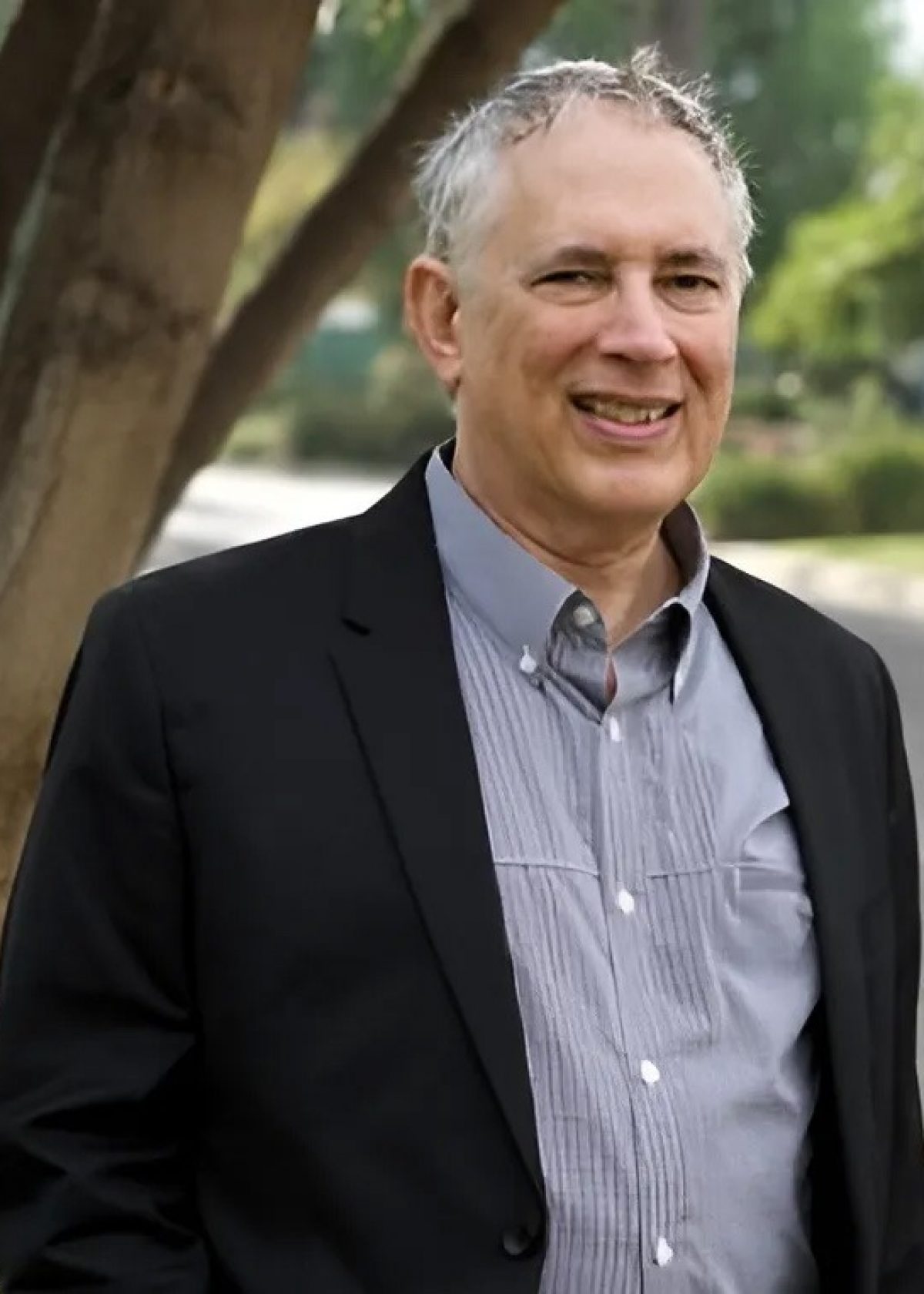
Before law school, Richard earned graduate degrees in social work and health care administration — which shaped a practice built around plain-language explanations, genuine listening, and plans that work in the real world, not just on paper. Clients regularly cite his social work background as the reason they chose to work with him.
Yes. The need for an estate plan is not determined by wealth — it’s determined by circumstances. Parents of young children need a Kids Protection Plan regardless of net worth. Anyone who owns a home in California almost certainly has an estate that would require probate without a trust. Anyone with a serious illness, an aging parent, or a family member with special needs has planning needs that go well beyond asset value.
A will must go through California probate — a public court process that can take 12 to 24 months and generate significant statutory fees calculated on the gross value of the estate. See: Trust Administration & Probate. A revocable living trust, when properly funded, allows assets to transfer privately and without court involvement. For most California homeowners, a trust is the more appropriate foundation for an estate plan. See: Foundational Estate Planning.
Any major life change warrants a review — marriage, divorce, the birth of a child or grandchild, a death in the family, significant changes in assets, or a move. Beyond life events, California law changes regularly. Plans with two-trust structures drafted before current estate tax thresholds, plans that predate Proposition 19, and plans that don’t address Medi-Cal eligibility may have significant gaps.
A pour-over will is a safety net that works alongside a living trust. If any asset was accidentally left outside the trust at death, the pour-over will directs it to be transferred into the trust through probate. Combined with a Schedule A in the trust listing intended assets, it also provides the evidence of intent needed to succeed on a Heggstad Petition — a California court petition that can transfer omitted assets into the trust without full probate. See: Trust Administration & Probate
No. Parents of young children have some of the most urgent planning needs of anyone — particularly around who raises their children and who has legal authority to act in an emergency. See: Kids Protection Plan Anyone who owns property, has accumulated savings, or has a family member who depends on them has estate planning needs regardless of age.
A first conversation is the starting point. We review your specific situation — your assets, your family, your goals, and any planning challenges you’re aware of — and give you a clear picture of what a complete plan would look like for your circumstances. There is no obligation and no one-size-fits-all answer.
Every family’s circumstances are different. A first consultation is the starting point — we review where you stand, identify what’s needed, and give you a clear picture of your options. Serving families in Woodland Hills, Calabasas, Tarzana, Encino, West Hills, and the broader West Valley and Ventura County area.